

Samsung 25W vs. 45W: Check Your Phone, Adapter and Cable
Choose by the exact Galaxy model and documented charger-and-cable requirements—not an unsupported promise about minutes saved. This correction withdraws our earlier benchmark and thermal claims.

Maintained by FindsRadar Editorial Team
Start with
Exact phone model
Charging modes differ within the Galaxy range.
Then check
Adapter and cable
Use the requirements for the specific device and regional adapter.
Evidence status
No comparative test
Earlier charging-time and thermal results are withdrawn.
Correction: the earlier benchmark was not substantiated
The previous article presented charging-time comparisons, peak-power durations and thermal thresholds as empirical findings. We do not have documented test records supporting those results. We withdraw that benchmark, the battery-longevity conclusion, the numerical verdict and the claimed price-to-speed advantage. This update reports no new charging test.
We also withdraw universal fallback-power rules, blanket device-safety assurances and claims that GaN chargers necessarily run cool. The previous cover showed a wallet rather than a charger and has been withheld. The original publication date and URL remain for continuity; the update date records this correction.
First identify the Galaxy model
Samsung identifies the Galaxy S24+ and S24 Ultra as supporting 45W Super Fast Charging 2.0, while the standard Galaxy S24 supports 25W Super Fast Charging. These are model-specific supported modes, not full-charge-time guarantees.
For a different Galaxy model, check its own manufacturer documentation. Do not assume a larger adapter rating adds a charging mode the phone does not support.
Check the cable guidance for that generation
For the applicable S24-series Super Fast Charging 2.0 setup, Samsung’s S24 guidance specifies a 45W adapter and a 5A e-marked USB-C cable. Read that guidance together with the model limits above; it does not make the base S24 a 45W phone.
Newer Samsung support guidance describes a supplied-3A-cable exception for supported S25-and-later Super Fast Charging 2.0 configurations. That is not a claim that every later Galaxy supports the same mode. Check the exact phone, charger and regional instructions rather than applying one cable rule to all generations.
An adapter label is not a measured phone charging curve
As a specific regional example, Samsung lists EP-T4511NBNGIN as a 45W USB-C adapter supporting PD 3.0 PDO/PPS. Its published PPS range is 5–20V at up to 2.25A. This is Samsung’s adapter specification, not a measurement of what a connected phone draws.
The earlier article’s universal requirement for a 4.5A PPS profile is withdrawn. Check the exact adapter’s supported modes and the phone’s documented compatibility instead of inferring compatibility from a single current value or headline wattage.
This India SKU is listed without a cable. Package contents, regional versions and the actual unit’s label matter; do not assume a cable is included because another version or generic footnote mentions one.
If charging seems slower than expected
Samsung notes that charging behavior depends on the device and charger, remaining battery level, usage and temperature. The device does not charge at maximum power throughout the session. These qualifications do not establish a particular time saving, temperature threshold or battery-aging result.
Check the phone’s charging setting, the correct adapter and cable, and the manufacturer’s troubleshooting guidance. Settings and indicators can vary with model and software. A charging label alone does not measure wattage or prove a single cause for slower charging.
A practical comparison checklist
- Identify the phone’s supported wired charging mode before comparing adapter ratings.
- Check the precise charger SKU, regional plug, documented compatibility, cable rating and package contents.
- For another device such as a laptop, earbuds or an iPhone, check that device’s requirements separately. This article makes no blanket compatibility or safety guarantee.
- Compare current prices and return terms for the exact products yourself. No live offer, universal best-value choice or guaranteed number of minutes saved is asserted here.
- If a comparative speed claim matters to your decision, look for a documented test using the same phone, software, initial battery state, equipment and conditions—not just two adapter wattages.
Frequently Asked Questions
Editorial answers to common questions. Check the cited sources, applicable region and publication date before relying on product or policy details.
Sources & image credits
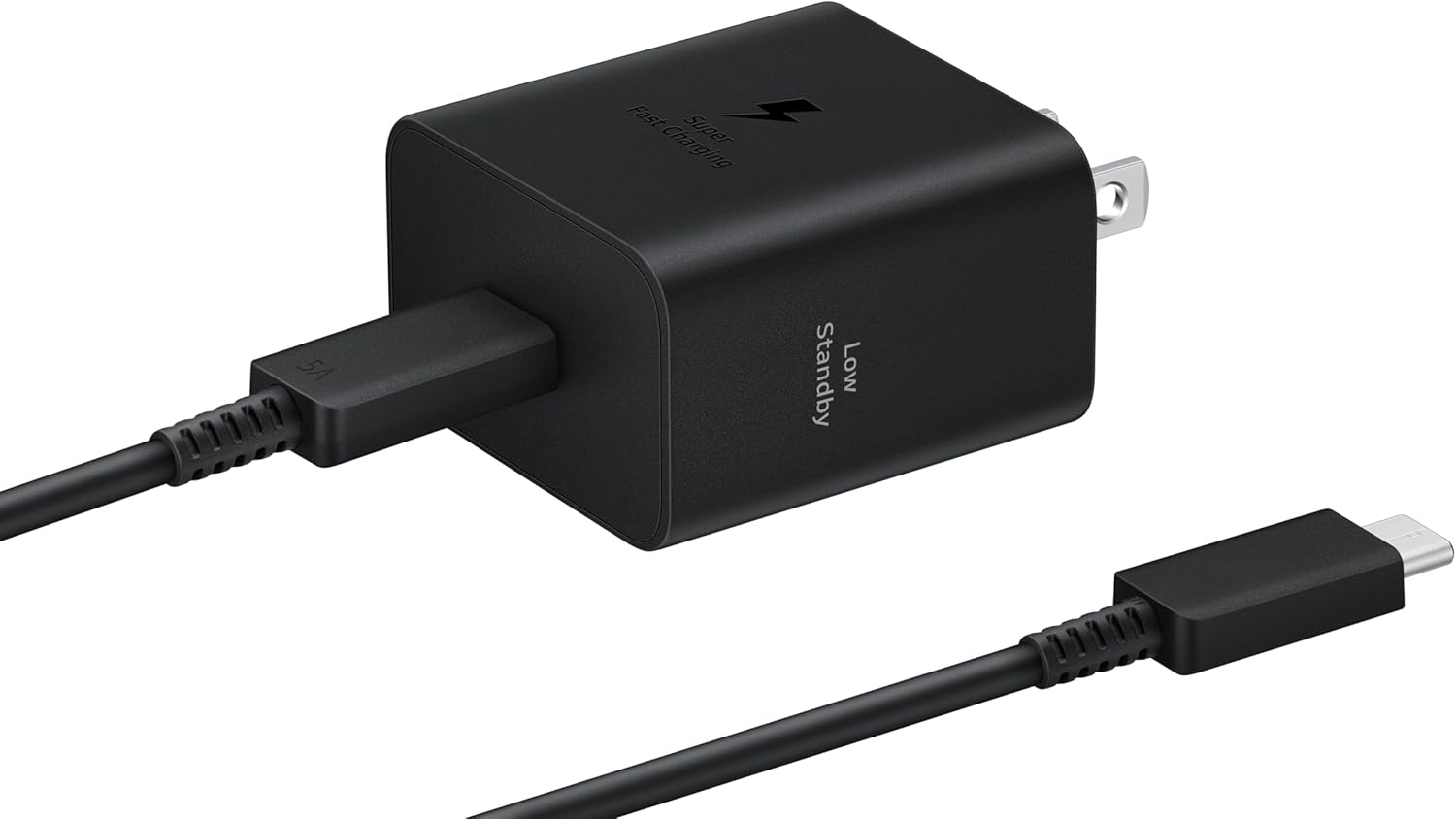
Different regional example: Samsung EP-T4511XBEGUS Black US adapter-and-cable kit—not India's EP-T4511NBNGIN adapter-only SKU discussed below. The pictured kit has flat US prongs and an included cable. Source product image, not a charging-speed test.
Image: Source product image via Amazon.com / Samsung EP-T4511XBEGUS Black US cable kit — source listing image. Owner-asserted permission to use Amazon product images. Unmodified source image; not FindsRadar photography or hands-on testing. US adapter-and-cable example · Not the India adapter-only SKU.
Related Stories & Reviews
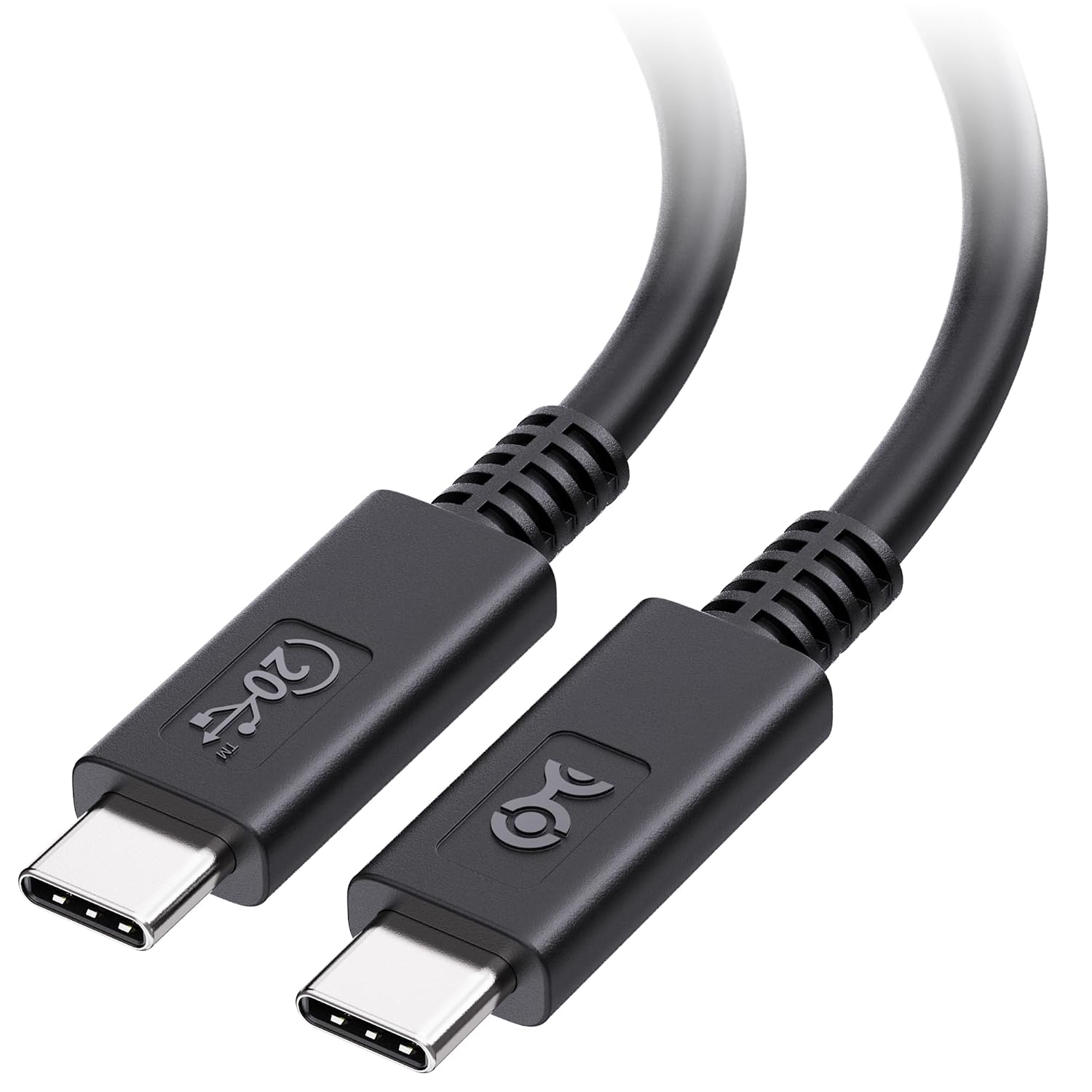
USB-C Charging vs Data Cables: Read More Than the Wattage
One cable example · Not measured charging, data or display capability.
6 min read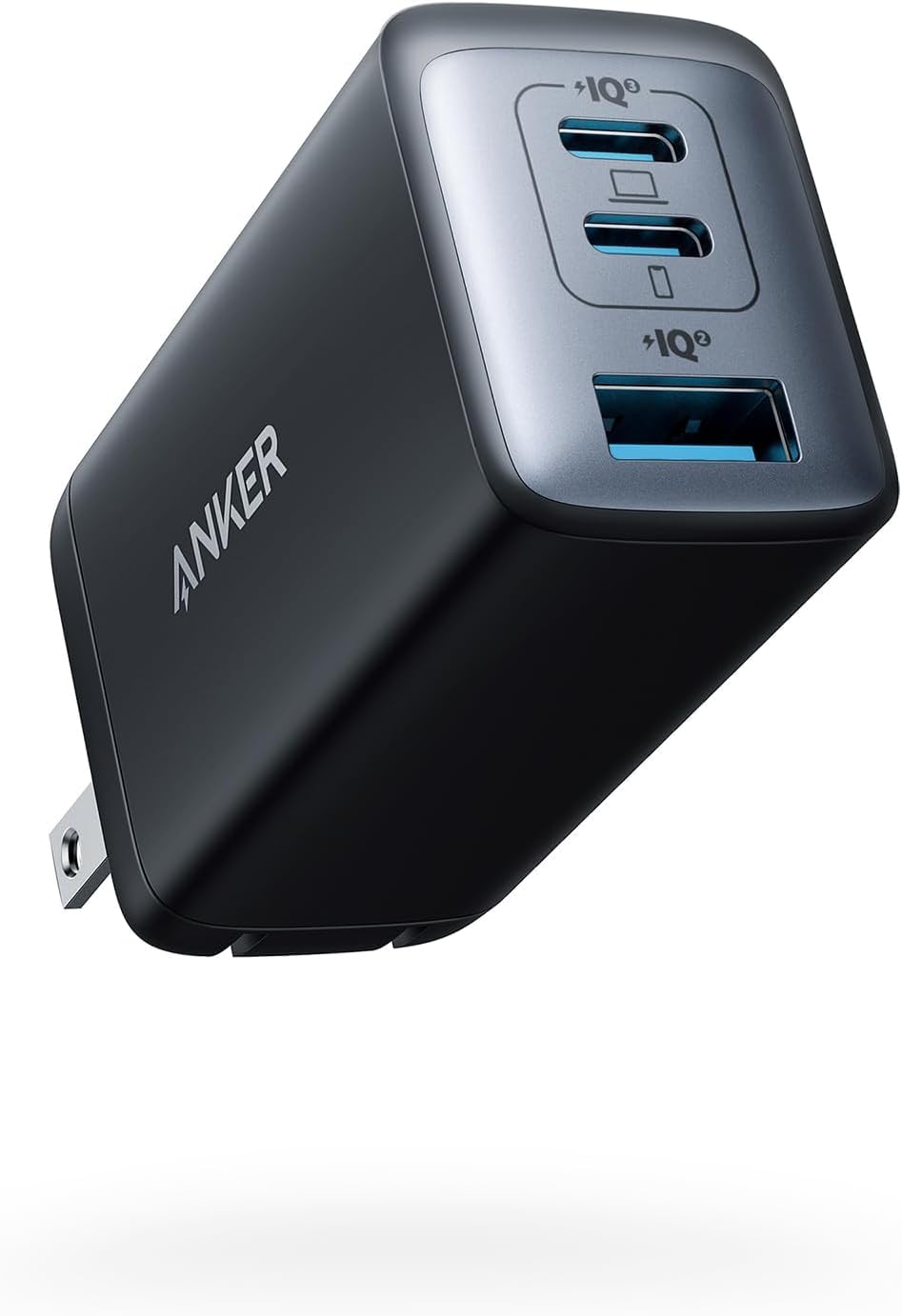
65W vs. 100W Chargers: How to Choose for a Laptop and Phone
A2667 source image · A2343 shown separately; no charging test or India-SKU verification.
5 min read