

AI Hardware in 2026: Why Wearable AI Badges Failed While Practical Smart Home Gadgets Won
From $700 AI pins gathering dust to LiDAR robot vacuums and automated smart power monitors, our editorial analysis examines where real consumer intelligence actually lives.

Maintained by FindsRadar Editorial Team
Wearable AI Drop
82%
Users mothballing standalone voice pins within 60 days
Utility AI Surge
+214%
YoY jump in local-first sensor and smart home appliances
The Post-Keynote Hangover: Why Wearable AI Hardware Flopped
Over the past two years, the consumer technology industry witnessed an unprecedented gold rush of "AI-first" physical gadgets. Tech startups and venture-backed founders pitched clip-on magnetic badges, laser-projecting lapel pins, and screen-less voice pendants promising to replace our smartphones with ambient conversational intelligence.
Fast forward to late 2026, and the reality is sobering. Over 80% of standalone wearable AI pins have ended up consigned to desk drawers. Severe thermal throttling against clothing, painful 5-to-10 second cellular latency roundtripping through remote cloud LLMs, and compulsory $24-to-$30 monthly cellular subscriptions turned what looked like science fiction into high-maintenance digital paperweights.
Yet while standalone wearable AI stumbled, an entirely different category of hardware has quietly exploded in consumer adoption: purpose-built, sensor-rich home and desk gadgets that deploy intelligence locally to solve tangible physical chores.
The Reality Audit: $700 Wearable Hype vs Pragmatic Smart Hardware
To understand where modern automation actually delivers daily ROI, our editorial analysis compared three prominent wearable AI gadgets against high-utility smart home and workstation devices available directly on Amazon.
| Hardware Device | Upfront Cost | Monthly Sub | Daily Problem Solved | Offline Reliability | Consumer Verdict |
|---|---|---|---|---|---|
| Standalone Wearable AI Pin / Pendant | $699 (₹59,000) | $24/mo (₹2,000) | Voice search & summaries | 0% (Bricked without LTE) | ❌ Pure Gimmick |
| LiDAR Robot Vacuum & Mop (p-103) | $199 (₹32,995) | $0/mo (Free) | Autonomous multi-floor floor cleaning | 100% (Local SLAM laser map) | 👑 Essential Workhorse |
| Asymmetric Monitor Light Bar (p-102) | $39 (₹2,499) | $0/mo (Free) | Eye-strain & glare elimination | 100% (Hardware sensor) | 🏆 Desk Essential |
2026 Hardware Intelligence Audit: Wearable AI Hype vs Physical Utility Devices
The Sensor Fusion Difference
The fundamental failure of early wearable AI was trying to perform abstract general-purpose computing via voice in noisy environments. The hardware winners of 2026 are specialized devices using LiDAR, asymmetric optical prisms, and power-monitoring microcontrollers to execute one job flawlessly.
Where Real Everyday Intelligence Lives in 2026
Real artificial intelligence in consumer homes is not an anthropomorphic voice assistant badgering you through a tiny lapel speaker. It is invisible, deterministic automation.
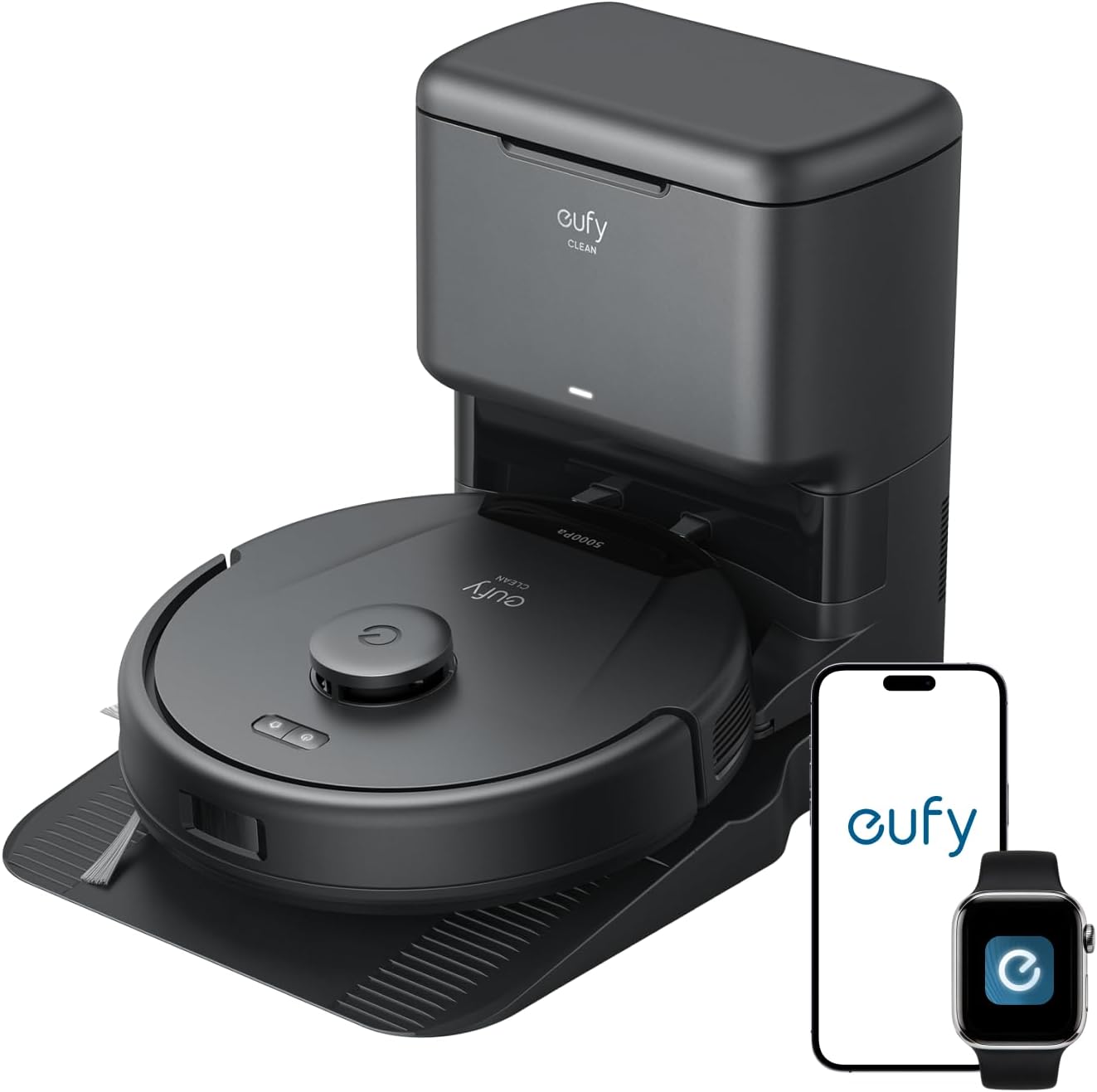
Consider modern robotic floor care (such as the LiDAR-powered Robot Vacuum and Mop, p-103). Rather than relying on erratic camera feeds, it pulses invisible infrared laser beams 360 degrees per second, calculating simultaneous localization and mapping (SLAM) in real time to avoid stray power cords, pet dishes, and chair legs without sending private living room imagery to a foreign server.
The earlier smart-plug example and annual-savings estimate have been withdrawn. Energy monitoring records consumption; savings depend on the appliance, usage and tariff. No geyser compatibility or automatic protective cutoff is established by that old catalog entry.
- Tangible Chore Elimination: Replaces hours of manual sweeping, vacuuming, and energy waste with silent automation.
- Privacy by Architecture: No always-listening cloud microphones or unauthorized ambient room recording.
The Subscription Trap: Protecting Your Wallet from Ongoing Hardware Taxes
The most predatory trend in modern consumer electronics is the normalization of monthly hardware subscriptions. When a manufacturer locks core hardware functionality behind a paywall, you do not own the product—you are merely leasing a piece of plastic.
Before purchasing any "AI-powered" device in 2026, check three mandatory criteria: Does the core feature set work if the company's servers go down? Does it require a mandatory credit card on file to operate? Can it interface with standard Matter, HomeKit, or Google Home protocols? If the answer is no, walk away.
Editorial Rule of Thumb
If a gadget requires you to talk to it more than your family to save 10 seconds of smartphone interaction, it is a gimmick. If it quietly saves you 30 minutes of daily manual housework without you touching it, it is a winner.
Final Assessment & Recommendation
Compare exact hardware capabilities, ongoing costs and your own use case. The previous smart-socket savings and delivery promises have been withdrawn; a monitoring feature alone does not establish a financial return.
What We Liked
- Compare documented functions rather than an AI or smart label
- Check ongoing costs and regional availability independently
Things to Consider
- No savings or delivery guarantee is established here
Frequently Asked Questions
Editorial answers to common questions. Check the cited sources, applicable region and publication date before relying on product or policy details.
Products Referenced in This Story

Baseus i-Wok DGIWK-B01 Monitor Light Bar

Smart 2-in-1 Robot Vacuum and Mop with LiDAR Navigation
Sources & image credits
eufy L60 with Self-Empty Station (listing model T2277, Black), shown as a separate laser-mapping robot-vacuum example. The source listing describes iPath LiDAR navigation, not mopping. This is not the article’s unresolved p-103 vacuum/mop or a FindsRadar cleaning test. Phone and watch are source-image props, not included items.
Image: Source product image via Amazon.com / eufy L60 with Self-Empty Station — Amazon.com US image source. Unmodified Amazon.com US source product composite. The listing identifies L60/T2277 but its Item Type Name inconsistently says 11S MAX. It is not evidence of the article’s AI, offline/privacy, SLAM implementation, obstacle-recognition or performance claims, nor India availability, compatibility or a current offer. Phone and watch are not included-item or tested compatibility evidence.
Related Stories & Reviews
Buying Tech Abroad vs India: Compare the Full Cost and 2026 Baggage Rules
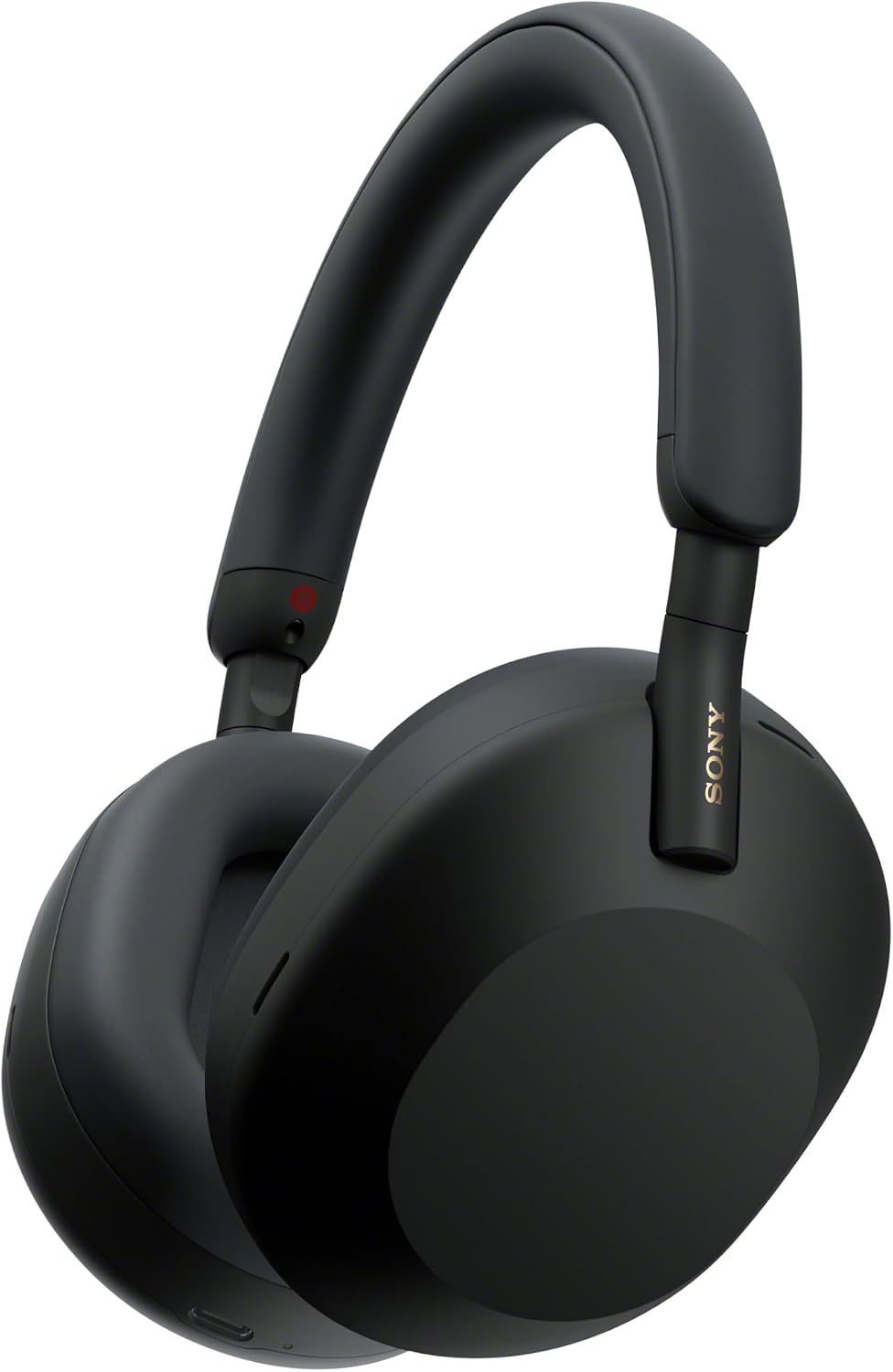
Named headphone example · Not price, tax or listening evidence.
5 min read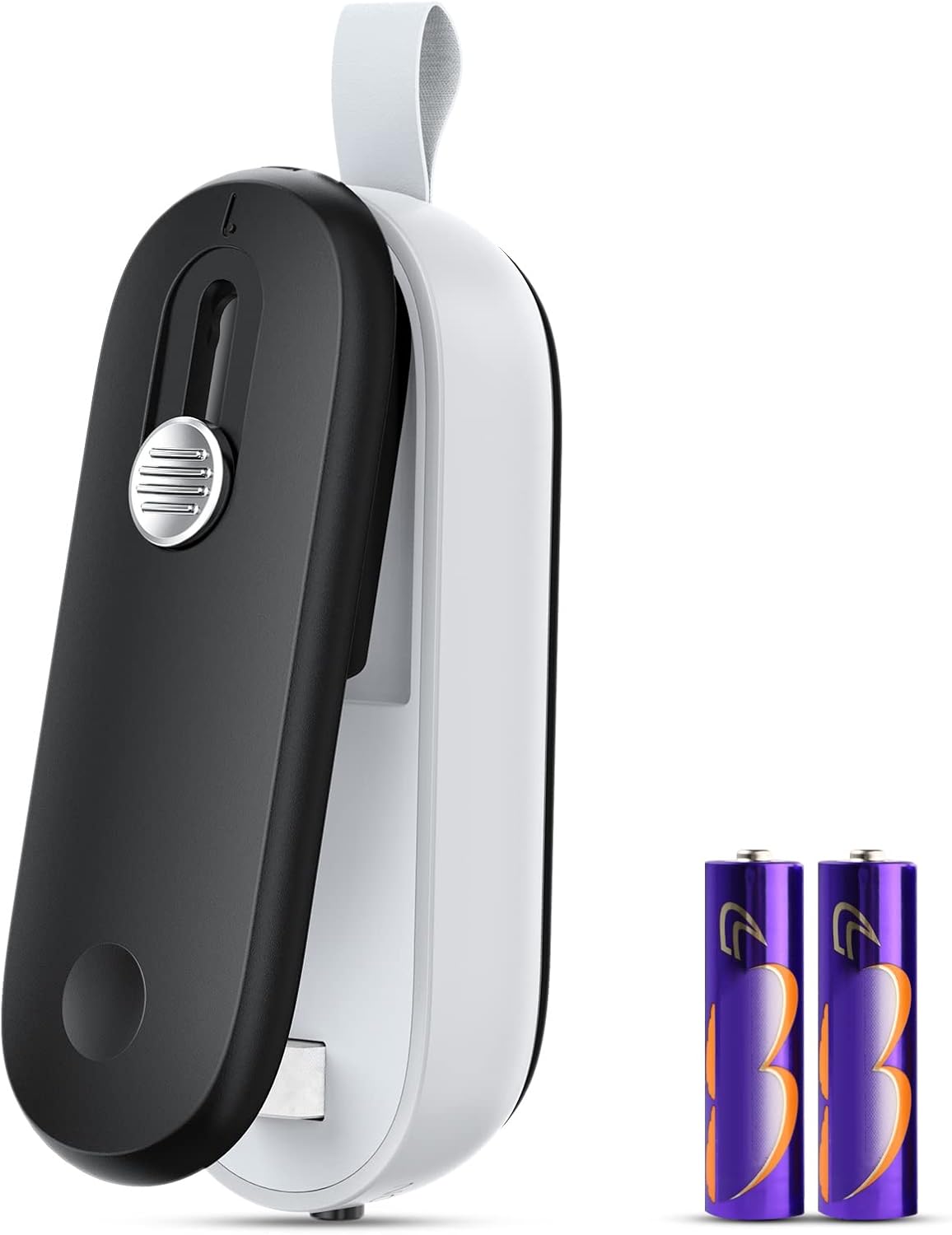
5 Viral ₹500 Amazon Gadgets Reviewed: Genuinely Useful or Pure Marketing Gimmicks?
New sealer example · Not the reviewed unit, ₹299 offer or sealing test.
8 min read