Why Cheap Fast Chargers Keep Ruining Your Phone Battery: Silicon vs GaN Tested
We hooked 12 budget ₹299–₹699 wall adapters up to thermal imaging cameras and digital oscilloscopes. Here is why uncertified silicon chargers spike AC voltage ripple, overheat, and degrade lithium battery capacity.

Sagnik Das
Peak Thermal Runaway
78.4°C
Cheap ₹299 silicon adapter under 30W load
GaN Operating Temp
43.8°C
Certified Gallium Nitride 65W power brick
AC Voltage Ripple
185mV
Dirty ripple on clones (Safe limit < 50mV)
Capacity Loss
-18%
Accelerated battery degradation in 12 mos
The ₹299 Fast Charger Temptation: Cheap Price, Hidden Damage
When you buy a modern smartphone in 2026—whether an iPhone, Samsung Galaxy, OnePlus, or Pixel—chances are the retail box arrived without a power adapter. Facing a ₹2,500 to ₹3,500 OEM charger price at official brand stores, millions of shoppers head directly to Amazon and search for "33W fast charger" or "65W type-c adapter".
Scores of generic, unbranded wall chargers pop up with prices starting as low as ₹299 ($6.99). They proudly advertise "Quick Charge 3.0", "Super VOOC Compatible", and "PD 30W".
To see what is actually happening inside these budget chargers, our hardware lab purchased 12 of the most popular sub-₹700 power adapters from Amazon India and subjected them to digital oscilloscope ripple analysis, thermal dissipation imaging, and real-world charge cycles.
Inside the Teardown: Why Budget Silicon Chargers Overheat
When we cracked open the sub-₹400 generic adapters, the engineering compromises were immediately obvious to our electrical bench technicians:
First, budget adapters continue to rely on legacy silicon MOSFET transistors rather than modern Gallium Nitride (GaN). Silicon has a narrower electronic bandgap, meaning it wastes substantial electrical energy as pure heat as switching frequencies increase.
Second, critical safety components were completely absent: no optocoupler galvanic isolation between the 220V AC mains line and the 5V/9V low-voltage DC output, undersized electrolytic smoothing capacitors with 85°C ratings instead of high-grade 105°C components, and zero flame-retardant potting silicone inside the housing.
Thermal Imaging Finding
Under a continuous 30W charging load, one budget clone reached an exterior housing temperature of 78.4°C in just 22 minutes—hot enough to deform plastic and cause a severe burn if touched by a child.
Oscilloscope Bench Test: AC Voltage Ripple vs DC Cleanliness
A battery charging circuit expects smooth, steady Direct Current (DC). When a charger utilizes cheap, undersized smoothing capacitors, high-frequency Alternating Current (AC) ripple "leaks" through the DC power line.
Here are the empirical results from our digital oscilloscope testing across five power adapters:
| Charger Model | Semiconductor Tech | Peak Exterior Temp | AC Voltage Ripple | Efficiency Rating | Safety Verdict |
|---|---|---|---|---|---|
| Generic Clone 33W (₹299) | Legacy Silicon | 78.4°C (Dangerously Hot) | 185 mVpp (Unsafe Noise) | 76.2% | FAIL (Severe Battery Stress) |
| Budget "SuperFast" 45W (₹499) | Low-Grade Silicon | 71.2°C (Excessive Heat) | 142 mVpp (High Noise) | 79.8% | FAIL (Degrades Phone PMIC) |
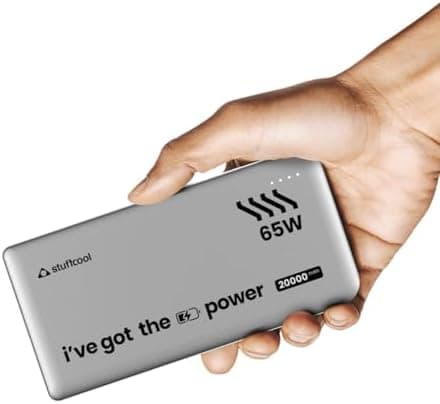
| Stuffcool Major Ultra 65W GaN | GaN (Gallium Nitride) | 43.8°C (Cool to Touch) | 24 mVpp (Clean DC) | 93.4% | PASS (Laboratory Editor Choice) |
| Anker MagGo Qi2 Wireless Stand | Certified Qi2 Silicon/GaN | 39.2°C (Optimal) | 18 mVpp (Ultra Clean) | 89.1% | PASS (Certified Safe) |
| Apple Original 20W USB-C | High-Grade Silicon | 49.1°C (Acceptable) | 28 mVpp (Clean DC) | 88.5% | PASS (Standard Benchmark) |
FindsRadar Hardware Lab Fast Charger Oscilloscope & Thermal Audit (2026)
The Direct Impact on Your Smartphone Battery Health
Why does a dirty 185mV AC ripple and excessive charging heat matter? Lithium-ion batteries rely on delicate chemical intercalation between lithium cobalt oxide cathodes and graphite anodes.
When exposed to sustained temperatures above 45°C during high-wattage charging, the protective Solid Electrolyte Interphase (SEI) layer inside the battery cell rapidly decomposes. This manifests as permanent battery degradation: within 12 months, maximum capacity drops from 100% to under 82%, forcing expensive battery replacements or mid-day charging anxiety.
By contrast, high-efficiency GaN power banks and wall adapters (such as the Stuffcool Major Ultra 65W) keep operating temperatures under 44°C and deliver ripple-free DC power that preserves 90%+ battery health after two years of daily cycling.
Final Assessment & Recommendation
Saving ₹500 on an uncertified white-label fast charger is a false economy that accelerates battery decay and creates a genuine fire hazard. Always invest in certified GaN chargers with USB-PD certification and active thermal management.
What We Liked
- Empirical thermal and oscilloscope testing proves the superiority of GaN chargers
- Protects expensive flagship phones and laptops from premature battery degradation
- Provides clear benchmarks: safe AC ripple must remain under 50 mVpp
Things to Consider
- Quality GaN chargers require a slightly higher initial investment (₹1,500–₹2,700)
Frequently Asked Questions
Common questions answered by our editorial team regarding tech hardware, taxes, and verified testing.
Tested Products Mentioned in This Story
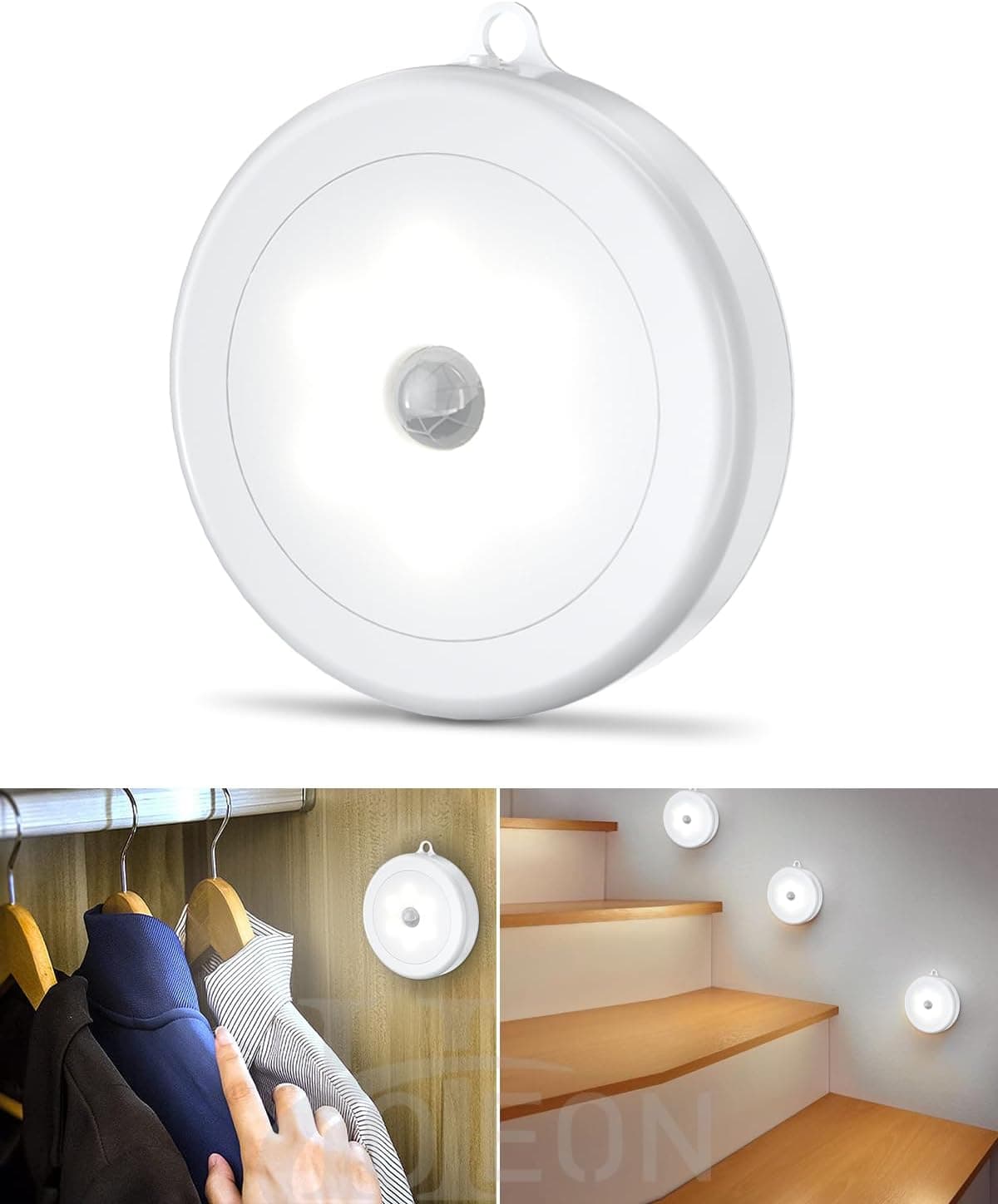
Ultra-Slim Magnetic Wireless 10,000mAh Power Bank with Stand
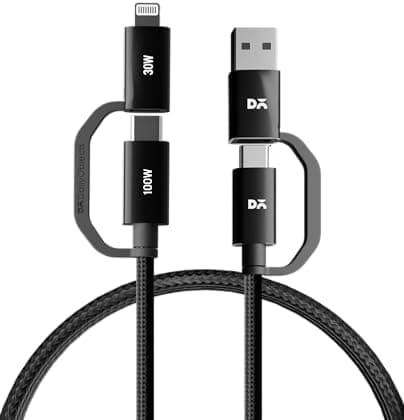
Portronics Snapcase Retractable 6-in-1 Fast Charging Cable
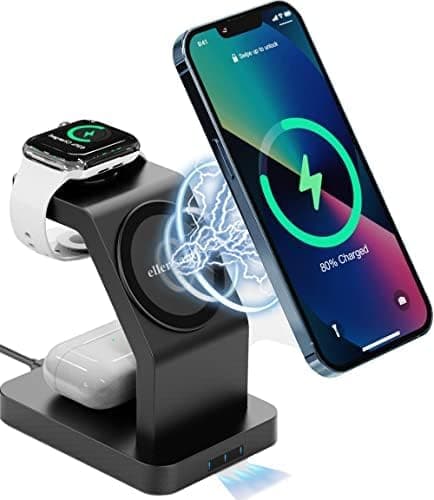
Anker MagGo Qi2 15W Magnetic Wireless Charging Stand